

After my posts about Grüner Veltliner and Riesling, it’s time to dive into some reds, and the silverback of all wines, Cabernet Sauvignon! To be honest though, it’s not the best wine to introduce to wine newbies because it has some pretty intense flavours and tannins (tannin makes your mouth feel dry), and it’s often pretty high in alcohol.
Cabernet Sauvignon is definitely not the type of wine that you should be sipping on for hours on a warm summer afternoon with friends, unless you want the conversation to rapidly veer into the inappropriate, and you’re OK with eventually stumbling away with purple stained teeth and a banging headache at 5pm.
Cabernet Sauvignon wine (or Cab Sav for short) needs a dance partner, that is, some food to bring out its best, because it’s such a big, earthy and powerful wine. So let’s crack open a bottle and get started on this beast of a grape. Welcome to my guide on Cabernet Sauvignon for beginners…
CABERNET SAUVIGNON'S TINDER PROFILE
Hi, I'm Cabernet Sauvignon, but I go by Cab. Admittedly, I'm a strong character with a dry sense of humour, so I need you to match my energy otherwise this just isn't gonna work. I can't bare small talk and like to get straight to the point. My french roots run deep, and I have a holiday home in California so I have a lot to offer the right partner. It's probably not ok to say this nowadays, but, I'm a proud meat eater - so just give me a steak and I'll take you home with me. Told you I'm bold 😉 I have unashamedly high standards, and I'm particularly interested in meeting a well-bred Merlot from a similar lineage, assuming they're not all taken already...
CABERNET SAUVIGNON FOR BEGINNERS
Introduction
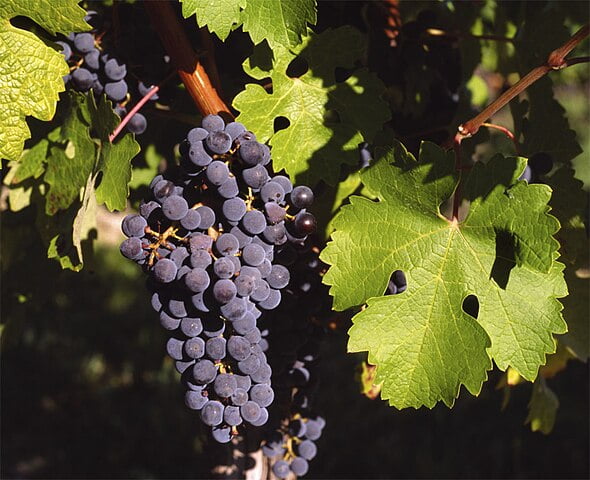
Cabernet Sauvignon is what most wine newbies think of when they imagine drinking red, as it has clear black fruit flavours and a noticeably dry mouthfeel. Originating from the Bordeaux region in France, this grape has spread its roots worldwide, becoming popular for its distinctive characteristics.
Let’s delve into a few questions about Cab Sav, so that you can comfortably order one and have a much clearer idea of what it is you’ll be getting…
Where Does Cab Come From & Where Does it Grow Best?
The Cabernet Sauvignon grape is a result of a natural cross between Cabernet Franc and Sauvignon Blanc grapes. Bordeaux, particularly the Left Bank (south of the Gironde Estuary & the vineyards arounds the Garonne river), is still considered one of the primary regions associated with Cabernet Sauvignon, and it is here where CS is often blended with other grape varieties such as Merlot, Cabernet Franc, Malbec, and Petit Verdot to create the famous Bordeaux blends.
While Cabernet Sauvignon’s origins are French, it has successfully adapted to plenty of other wine regions around the world, so also keep an eye out for bottles from:
- Napa Valley, California, USA: Napa Valley’s warm climate and diverse soils contributes to the development of world-class Cabernet Sauvignon.
- Coonawarra, Australia: Aussie, Aussie, Aussie! Cab, cab, cab! Known for its “terra rossa” soil, Coonawarra in South Australia is known for producing Cabernet Sauvignon with minty and eucalyptus notes, believe it or not. The local koalas will certainly be happy next time they head to the pub then…
- Maipo Valley, Chile: Yep, Cabernet Sauvignon thrives in Chile’s Maipo Valley too.
- Tuscany, Italy: While not as widely planted as in Bordeaux or California, Cab Sav is also grown in Tuscany, often as part of a “Super Tuscan”, where it’s blended with native Italian grape varieties.
How Do Cabernet Sauvignon Grapes Affect the Final Wines?
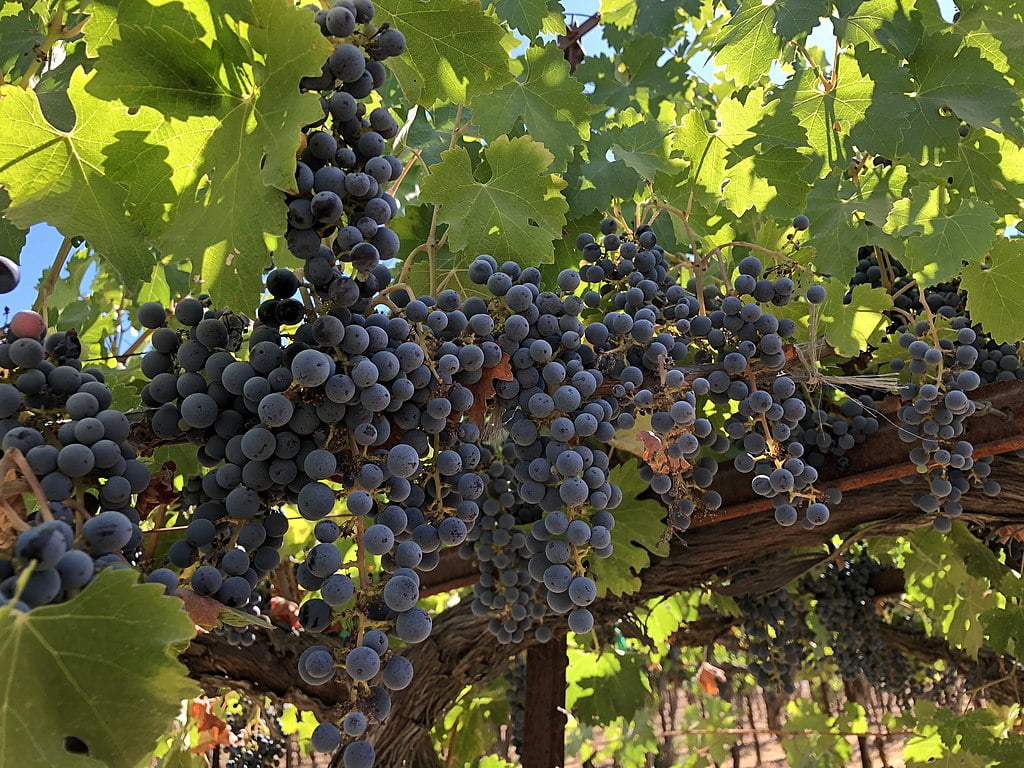
Cabernet Sauvignon grapes have thick, durable skins. These thick skins impart several characteristics to the wine, including deep color and strong tannins (colour and tannin are found mostly in the skins).
The grapes are also relatively small. This, combined with the thick skin, contributes to a high ratio of skin to pulp, which concentrates both flavours and tannins in the resulting wine. Flavours and smells in wine come mostly from the skins, not the pulp or juice itself. This is a big reason why Cab Sav is such a punchy wine – KABOOM!
Cab Sav grapes also need a long time on the vine in sunshine to get ripe and to develop flavour before being harvested. Of course, this makes it well-suited for regions with a warm and long growing season (e.g. Napa Valley in California)
Cabernet Sauvignon Wine Characteristics
High tannins: of all Cab Sav characteristics, perhaps the most well-known is its high tannin content. Tannins are compounds found in grape skins, seeds, and stems that contribute structure and a bitter quality to the wine. Tannin essentially makes your mouth feel as if it has been dried out – like sucking on a used tea bag or something.
The tannins in Cabernet Sauvignon are often described as firm and grippy, which sounds rather silly, I know, but it’s actually quite accurate once you’ve had a few swigs and then try to scrape your tongue across the roof of your mouth.
Moderate acidity: Cabernet Sauvignon typically has above average acidity, which gives a lively and refreshing quality to the wine. This acidity also helps it pair well with fatty meats, as it helps to ‘cut through’ all that grease.
Good aging potential: another key characteristic of Cabernet Sauvignon is its legendary aging potential. The wine’s high tannin content and acidity mean it can evolve gracefully over time. The aging process also brings out tertiary flavours which evolve in the bottle, like leather and tobacco, adding layers of complexity. Well-made wines will usually improve after several years of just leaving them in the bottle (in the right conditions), so the wine will keep getting better the longer you can resist your alcoholic urges.
Why's it so Often Blended With Other Wines?
Cab Sav is regularly blended with other wines. Here’s why…
Calming down the intense tannin: as already mentioned, Cabernet Sauvignon is known for its high tannin content, which can be pretty intense, even for seasoned boozers. Blending it with other grape varieties, such as Merlot or Malbec, helps create a more approachable and well-balanced wine.
To create more complex wines: Cabernet Sauvignon wine brings a distinctive, yet rather predictable flavour profile, with dominant black currant, blackberry, plum, and sometimes herbal or cedar notes. Blending with other wines adds complexity and nuance, which also brings wine makers plaudits whenever they nail it.
Reducing cost: Cabernet Sauvignon grapes can also be expensive, so blending with other varietals can help control costs, while maintaining a high-quality product. This is particularly relevant at the cheaper end of the market.
Cab Sav Taste
As already mentioned above, Cabernet Sauvignon wines are known for black currant, plum, cherry, and sometimes hints of green bell pepper, cedar, or tobacco. Of course, flavours change depending on factors such as climate, soil, and wine-making techniques.
For the wine newbie, the Cab Sav taste will be pretty intense, and may have an overly drying effect in the mouth. Again, this is due to the high tannins, which are more evident in younger Cabs – tannin softens over time, you see?
Cab is generally better when aged for several years, but aged bottles can get pretty expensive. As such, Cabernet Sauvignon isn’t the best red wine for beginners as it may seem a little harsh and bitter to the uninitiated. A more affordable blended cab is probably a better way for complete wine newbs to get into this variety…
WHERE TO BUY THE BEST CABERNET SAUVIGNON FOR BEGINNERS
USA
The Organic Wine Exchange have a great selection of Sauvignon red wine from most of the main regions, including Bordeaux, California, and Tuscany, with a particular focus on vegan and biodynamic wines from small-scale producers.
UK
In the UK, check out The Great Wine Company for a very comprehensive collection of Cabernet Sauvignon wines to buy, ranging from the main Cab regions like Australia, South Africa, the USA, and France, to lesser known countries like Lebanon where it’s blended with other varieties to produce more approachable bottles for beginners.
Ireland & the EU
Cabernet Sauvignon beginners in Ireland can check out 8 Wines to get their red wine fix, with a wide selection of highly rated bottles from all the best regions.
Australia
Being one of the best producing Cabernet Sauvignon wine producing regions in all the world makes Australia a great place to pick up some real high quality examples at great value prices. Check out Laithwaites Australia for a wonderful selection of Aussie Cabs (over 40 to choose from!).
A BEGINNERS GUIDE TO CABERNET SAUVIGNON: OUTRO
Hopefully this beginners guide to Cabernet Sauvignon has given you a much better idea of what it’s all about, or at least enough info to blag it among friends, colleagues or family that know less than you.
And if you’re looking for the best Cabernet Sauvignon for beginners to start your journey, then do check out the links above depending on where you live, because all of them offer some easier drinking cabs too.
If you have any questions or thoughts, then please drop a comment below. Now go fire up the barbie and slurp away!

The post was very good, I appreciate how you explain it, Keep the posts coming! Very good talent.
Thanks very much, Akhil, that’s very kind of you to say! Let me know if you have any requests for the next wine guide!